
Campus payments without a separate card
Cashless transactions at cafeteria checkouts, vending machines, and every campus service point.
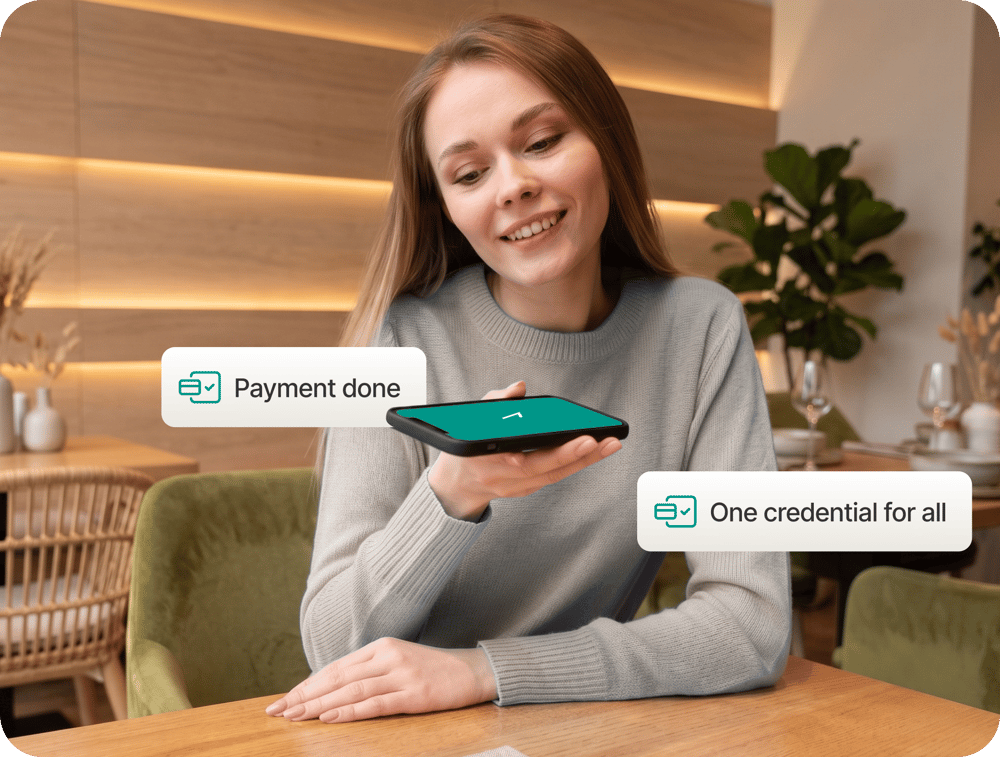
Cover every payment point on campus
One credential covers all of it. Students tap or scan their Digital ID Card at cafeteria checkouts, vending machines, printing stations, car parks, and campus bookstores. Every payment goes through the same Digital ID Card they carry for their student ID and door access. No separate wallet, no second app, no extra card to carry.
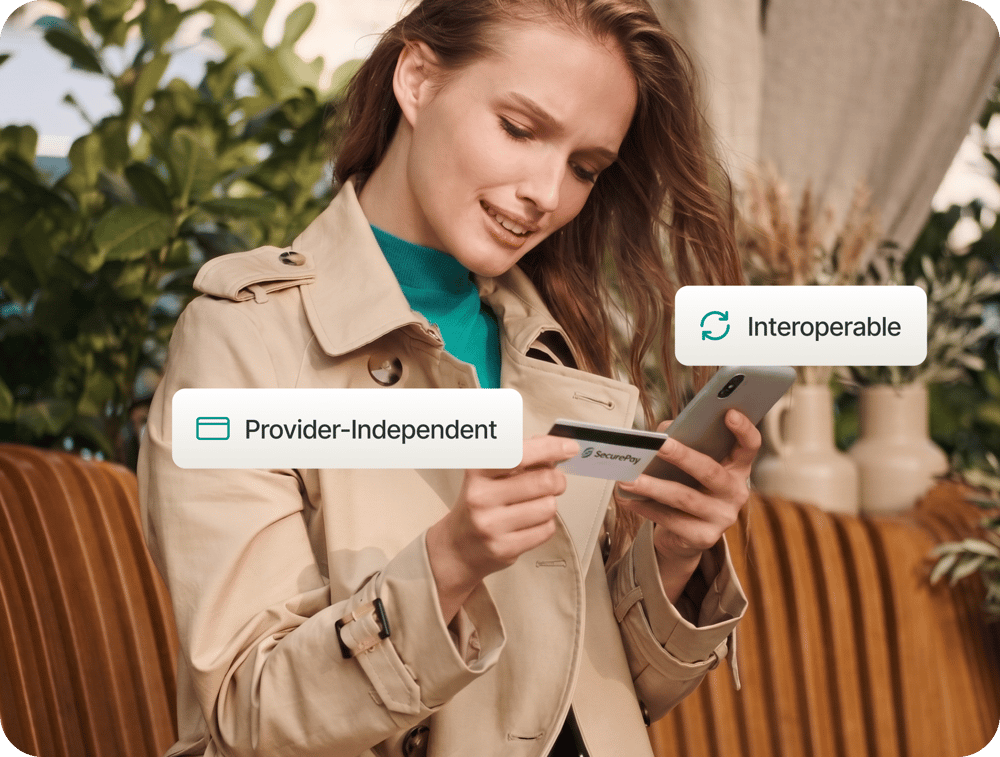
Connect to the payment provider your institution uses
Campus Pay works with the payment infrastructure your institution already has. Secanda, Ventopay, and other campus payment providers are all supported. Switching providers is your decision. We help you evaluate the options or build on what you already have.

Apply discounts via TL1 without a separate system
If your institution's cafeteria runs TL1, no closed-loop system is needed at all. Students or staff present their Digital ID Card at the checkout via NFC, QR code, or barcode. TL1 recognises the credential and applies the student or staff discount automatically. They pay with their own payment method and still get the benefit. No campus account to top up, no loyalty card, no extra app.
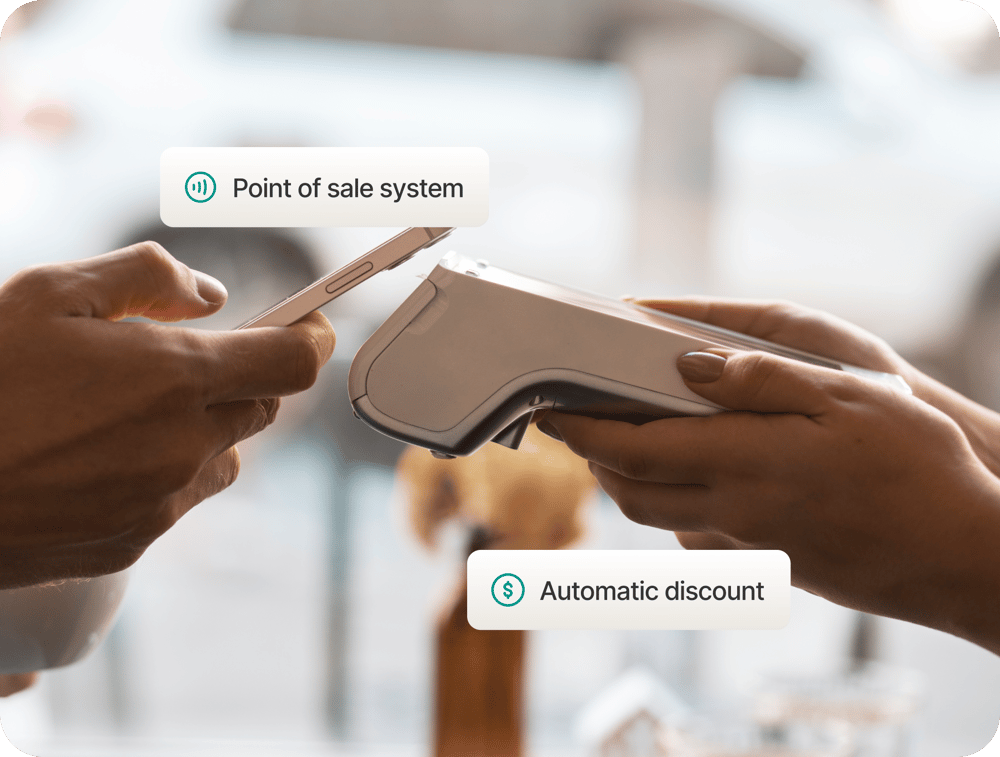
Apply discounts at the checkout without a separate system
If your institution's catering uses a point-of-sale system, no closed-loop system is needed. Students or staff present their Digital ID Card at the checkout via NFC, QR code, or barcode. The system recognises the credential and applies the student or staff discount automatically. They pay with their own payment method and still get the benefit. No campus account to top up, no loyalty card, no extra app.
See how it works at your institution
What is the difference between a closed-loop and an open-loop campus payment system?
A closed-loop system is a campus-specific payment account, such as Secanda or Ventopay. Students top it up separately and can only spend it within the campus environment. An open-loop approach uses standard bank payment methods. Campus Pay supports both: it connects to your existing closed-loop system via the Digital ID Card, or integrates with TL1 to apply discounts when students pay with their own card at the checkout.
Which payment providers does Campus Pay connect to?
Campus Pay connects to any closed-loop campus payment provider, including Secanda and Ventopay. There is no preferred vendor. If you are already running a system, it stays in place. If you want to change providers, Campus Pay works with whichever you choose.
What is TL1 and does our institution need it?
TL1 is the most widely used point-of-sale system in Germany, deployed in cafeterias and dining halls across the country. If your institution's catering operation already runs TL1, Campus Pay connects to it directly for automatic discount delivery. If not, speak to our team about the options available for your setup.
Where on campus can students use their Digital ID Card to pay?
Common locations include cafeteria checkouts, vending machines, printing and copy stations, car parks, and campus bookstores. The exact coverage depends on your existing hardware and which integrations are active at your institution.
How do students present their Digital ID Card at a checkout?
Students present their Digital ID Card via NFC tap, QR code, or barcode, depending on the payment hardware installed at your institution. All three presentation methods are supported. No physical card is needed.
Do students need a physical payment card?
No. All payment and discount functionality runs through the Digital ID Card on the student's smartphone. No physical card is issued.
What happens to a student's payment access when they leave?
Payment credentials are linked to enrolment status. When a student's enrolment ends, their Digital ID Card is deactivated automatically. No separate payment card cancellation is required.
Is payment and transaction data GDPR-compliant?
Yes. All data processed through the Campus Pay integration is handled on EU-hosted infrastructure. No transaction or personal data is sent outside the EU. Your institution retains full control over the records at all times.