
Digitalisation is a lengthy and complex change process for universities. It affects administrative tasks, teaching and research, and the strategic development of the institution as a whole. In the processes relating to the administration of students and staff, there have already been far-reaching innovations in the form of campus management systems, intranets and cloud-based solutions such as Microsoft Teams, Webex and the like. Now another area is set for innovation, one in which there have so far been only isolated developments: digital ID cards. With the exception of a few ‘pioneers’ among universities and higher education institutions, the majority still use the traditional ID card made of plastics. What is stopping universities from providing their students and staff with a digital ID card?
What can – and can’t – physical IDs do?
Physical ID cards for students and staff are a well-known and widely accepted means of identification. In some cases, they come with additional features such as access to doors or the use of printers, but they usually serve one single purpose: as photo ID to be presented at the university or to access discounts. Yet there is so much more to this tool: when made digitally, a simple student or staff ID card becomes a daily companion, a digital key, a gateway to studying across Europe, and much more.
ID card: Never change a winning team
With this in mind, people are keen to stick with the physical ID card. After all, it’s still seen as a tangible expression of belonging and an important tool for fostering a connection to one’s own university and brand. Getting an ID card issued is one of the first and most important reasons for students to come to campus, and thus also a key point of contact between the university and its freshers.
However, all of this also works with a digital ID card, which, in the university’s corporate design, is a modern brand-building tool. Furthermore, a Digital Campus Card reduces time-consuming and costly administrative tasks such as printing ID cards, extending their validity or reissuing lost cards to zero.
Physical keys vs. digital access management
Can a digital key be trusted? There are still significant reservations about using a digital key via a smartphone instead of a physical key. Yet using an NFC- or Bluetooth-based digital key simplifies access management and significantly enhances security. A digital key can be updated in real time, and access permissions for students and staff can be granted or revoked. Whether you want to grant temporary access to premises such as laboratories or block individual users or buildings, modern access management works with a single click – for example, by combining the Digital Campus Card from Studo with access solutions from providers such as Salto, ASSA ABLOY or Elatec.
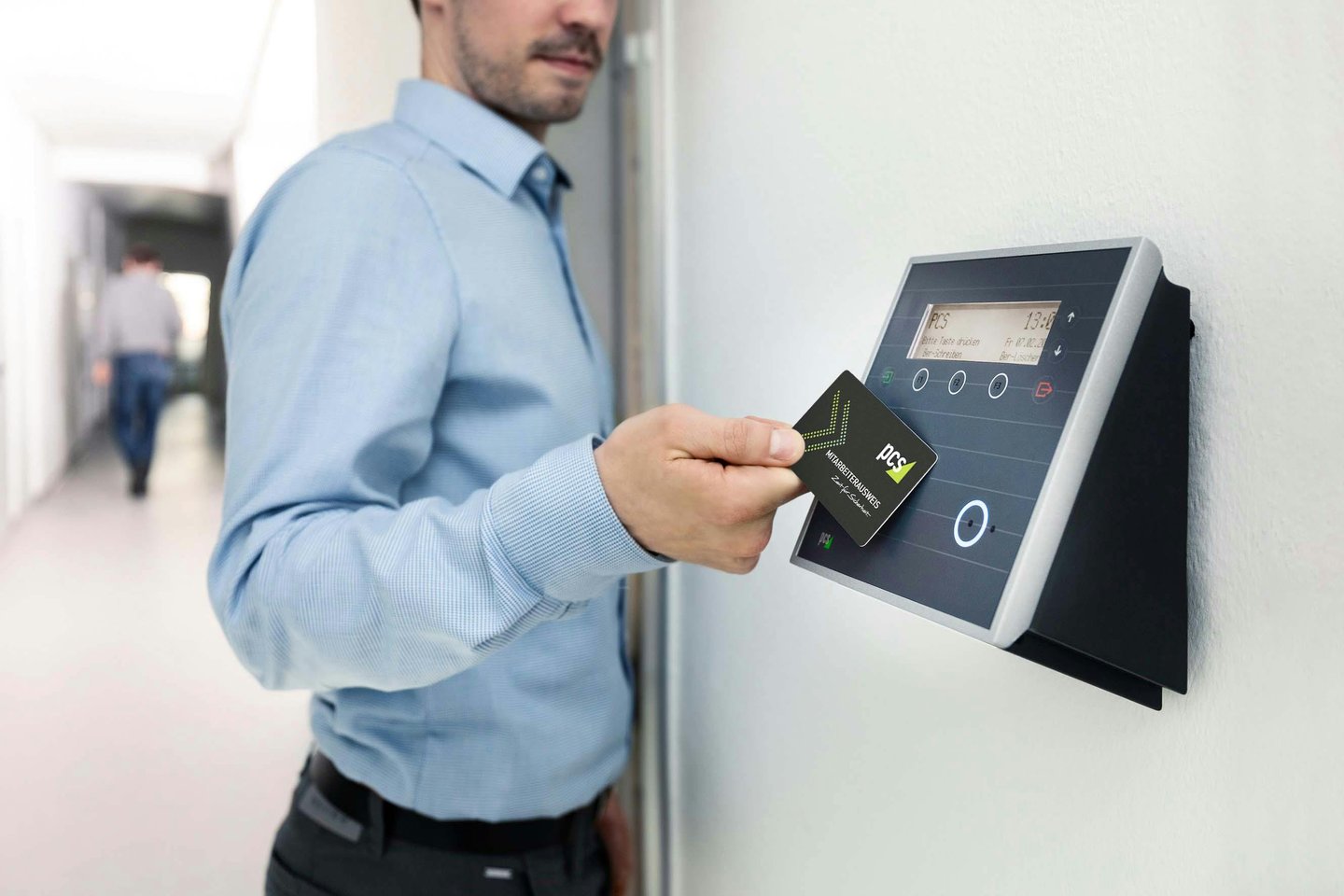 What are the alternatives to an ID made of plastic? - Photo: Susanne Plank, Pexels
Physical keys vs. digital access management
Can a digital key be trusted? There are still significant reservations about using a digital key via a smartphone instead of a physical key. Yet using an NFC- or Bluetooth-based digital key simplifies access management and significantly enhances security. A digital key can be updated in real time, and access permissions for students and staff can be granted or revoked. Whether you want to grant temporary access to premises such as laboratories or block individual users or buildings, modern access management works with a single click – for example, by combining the Digital Campus Card from Studo with access solutions from providers such as Salto, ASSA ABLOY or Elatec.
European Student Card – do we really need this?
“Our own students have our physical ID card; incoming students have the ID card from their home university.” The European Union aims to put an end to this thinking in silos with the European Student Card Initiative. After all, regardless of which university or higher education institution one studies at and where within the Erasmus-participating countries mobility takes place, students should be able to identify themselves as European students. For this reason, the European Student Card has become one of the most important tools for promoting international mobility and supporting both incoming and outgoing students. As an official ESC provider, Studo integrates the European Student Card quickly and easily into any digital ID card.
 Do IDs, payment solutions and keys really have to be digital? - Photo: Emil Kalibradov, Pexels
Paying by smartphone? Not on our campus
Cash is king – many people, particularly in German-speaking countries, still swear by this, which is why many universities see no need for a digital payment solution. Yet payment transactions in the canteen, at printers and photocopiers could easily be integrated into the digital ID card – with the major advantage that all transactions remain within the university’s own ecosystem and become more accessible to all stakeholder groups at a university. European providers such as Secanda or Ventopay can be easily integrated into Studo’s Digital Campus Card.
Libraries, public transport, attendance tracking – does everything have to be digital?!
A digital ID card offers many more potential uses that go far beyond simply serving as a means of identification: from a digital library card and a public transport ticket to digital attendance tracking, which renders physical attendance lists obsolete. Depending on a university’s digitalisation strategy, these use cases can be individually integrated into the Digital Campus Card. This allows administrative processes to be handled more easily, quickly and cost-effectively.
Find out more about how Studo’s Digital Campus Card can be used at your university.